
Views: 0 Author: Site Editor Publish Time: 2026-06-27 Origin: Site


Stadium commercial directors and facility owners face a significant challenge today. You must justify massive infrastructure upgrades through measurable, reliable sponsorship revenue. Upgrading your venue is no longer just about aesthetics or minor technological facelifts. Transitioning from static signage to dynamic digital displays represents a mandatory shift. You need high-yield, multi-tenant advertising inventory to stay competitive in modern sports entertainment.
However, maximizing this investment requires a delicate balance. You must weigh commercial capabilities, such as broadcast-quality brand visibility, against stark operational realities. These realities include extreme weather durability, strict player safety mandates, and ongoing maintenance demands. In this article, we explore how dynamic inventory expansion drives ongoing commercial success for modern venues.
You will discover why waterproof hardware and player-safe designs protect your revenue streams over time. We also examine essential vendor service agreements and secondary display placements. These strategies help you enhance fan engagement before spectators even reach their designated seats.
Transitioning to a stadium perimeter LED screen multiplies sponsor inventory by allowing dynamic, time-sliced ad rotation during peak broadcast moments.
True ROI relies on minimizing Total Cost of Ownership (TCO) through verifiable IP-rated waterproofing and efficient heat dissipation.
Player safety features (soft screens/masks) are not optional; they are critical for league compliance and liability mitigation.
Secondary placements, such as LED entrance displays, extend sponsor exposure from the pitch to the initial fan approach.
Static advertising spaces limit your venue revenue to a single sponsor per game. Digital perimeter boards change this dynamic entirely. They convert physical sidelines into rotating digital assets. You can host multiple sponsors on the exact same physical footprint. This multiplies your advertising inventory without physically expanding the stadium. A single match can now feature dozens of brands sharing the same high-visibility space seamlessly.
Tier-1 brands look far beyond mere screen size when purchasing inventory. They buy broadcast-ready metrics. Televised matches require specific hardware capabilities to ensure logos do not flicker on camera. Camera-facing refresh rates must exceed 3840Hz. High contrast ratios and advanced anti-glare properties ensure clear visibility on television screens worldwide. A premium Stadium Perimeter LED Screen installation must strictly meet these exact broadcast standards to attract top-tier advertisers.
Modern content management systems unlock powerful zoning capabilities. You can seamlessly sync perimeter messaging with live game events. Imagine instantly flashing a sports beverage logo across the entire stadium during a goal celebration. Consider running a targeted insurance ad during a VAR review pause. These micro-targeted moments command premium advertising rates because they capture undivided audience attention.
Sponsors also demand rigorous proof of play. You must provide verifiable data on screen-time and broadcast visibility. Robust attribution reporting justifies your premium rates. It proves exactly what sponsors get for their investment. You can show them precise minute-by-minute breakdowns of when their brand appeared on the live broadcast feed.
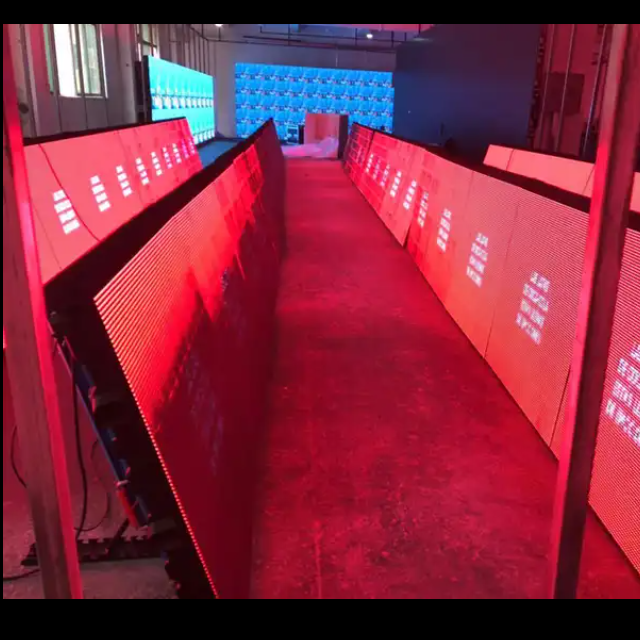
Waterproofing directly influences your long-term commercial returns. Let us evaluate Ingress Protection ratings closely. IP65 handles low-pressure water jets and standard rain. IP67 offers superior protection against temporary submersion. This difference matters greatly for outdoor venues. High IP ratings prevent moisture-induced dead pixels and catastrophic module failures during torrential downpours.
Extreme weather demands incredibly robust hardware engineering. You must carefully assess operating temperature ranges and UV resistance. Heat dissipation mechanisms play a huge role in continuous operation. Fanless designs often perform better than systems relying on mechanical fans. Mechanical fans draw in dust and moisture over time. Fanless aluminum chassis designs dissipate heat naturally. They prevent thermal throttling during hot summer matches, ensuring your displays remain bright and vibrant.
Maintenance realities also drastically affect your daily operations. Front-and-rear serviceability is essential for quick, in-game fixes. Modular cabinets allow stadium staff to swap faulty parts easily. This modularity reduces operational downtime. It completely eliminates the need for highly specialized labor during a live match. A technician can swap a power supply or a receiving card in under two minutes.
Consider a skeptical view on initial hardware spending. Cheap hardware often leads to negative long-term returns. Mid-season repair costs pile up surprisingly quickly. Display outages during televised matches can trigger immediate sponsor refunds. Investing in a highly durable Stadium Perimeter LED Screen prevents these costly disruptions. Reliability secures your advertising revenue against unexpected hardware failures.
Adopting player-safe technology protects the venue from substantial liability. This compliance acts as a hidden goldmine for facility managers. It ensures uninterrupted matches and fiercely protects your venue's reputation. Players frequently collide with perimeter boards during high-stakes games. If the hardware causes injury, you face massive legal and operational consequences.
Let us examine the exact anatomy of a soft screen. Good designs feature thick, impact-absorbing top bumpers. Soft rubber module masks cushion any direct physical contact. Flexible louvers protect both the athletes and the fragile LED diodes upon impact. This dual protection is crucial for high-speed sports like soccer and rugby.
League mandates require stringent safety standards across all affiliated venues. Organizations enforce strict rules regarding perimeter board construction. Local athletic commissions also closely monitor these safety features. You must meet these exacting standards to host high-revenue sporting events. Failure to comply often results in losing lucrative hosting rights.
Here is a quick breakdown of essential safety features:
Impact-Absorbing Top Bumpers: These dense foam or rubber rails absorb player impact from above, preventing head and torso injuries.
Soft Rubber Masks: These sit over the LED lamps, protecting individual modules from damage while cushioning player impact.
Flexible Louvers: These specialized shading elements prevent cuts and severe abrasions during fast-paced collisions.
Concealed Cabling: Internalized power and data cables eliminate tripping hazards for ball boys and sideline staff.
We must accurately break down the true operational demands of giant LED displays. You must account for initial installation rigging and reinforced power infrastructure. Data cabling adds another significant layer of operational expenditure. You cannot simply mount these displays; they require substantial structural backing and dedicated grid connections.
Power consumption metrics require careful, ongoing analysis. You should rigorously monitor maximum versus average power consumption. Watts per square meter dictate your monthly utility bills. Energy-efficient LED configurations keep these recurring costs highly manageable. Common-cathode technology reduces power draw and minimizes excess heat generation.
Break-even modeling provides a clear financial framework for venue upgrades. You calculate the payback period based on projected tier-1 and tier-2 sponsorship packages. Deduct your ongoing maintenance labor and energy expenditures from these projected revenues. This calculation reveals your true long-term yield.
Vendor Service Level Agreements protect your revenue stream significantly. You must demand strong warranties and guaranteed spare parts availability within your region. Fast response times ensure your displays stay active during critical broadcast windows. We have compiled a summary chart of standard versus premium SLA terms below.
Service Level Component | Standard Vendor Terms | Premium Venue Requirements |
|---|---|---|
Spare Parts Inventory | 3-5% extra modules provided | 10% extra modules stored on-site |
Technical Response Time | 48 hours via email | Under 4 hours on Match Day |
Hardware Warranty Length | 2 years limited parts | 5 years comprehensive coverage |
Software Updates | Manual downloads | Automated remote patching |
Outdoor LED entrance displays capture the crucial first impression. They immediately engage fans before they even reach their ticket gates. This strategic placement extends sponsor exposure well beyond the main pitch. Sponsors love dominating the entire fan journey from the parking lot to the grandstands.
You can dual-purpose these commercial screens for enhanced operational efficiency. They excel at crowd management and directional wayfinding. High-traffic flows become exponentially easier to direct. You can also display emergency messaging instantly across all gates when needed. This improves overall stadium safety while maintaining commercial viability.
Choosing a unified ecosystem is incredibly important for modern venues. Hardware and software must work together seamlessly across all digital touchpoints. Commercial teams need to sync advertising takeovers across multiple display types simultaneously. Coordinating perimeter boards, overhead jumbotrons, and entrance screens creates a massive visual impact.
Consider these operational benefits of a unified display ecosystem:
Centralized content control dramatically reduces manual playback errors during live games.
Synchronized brand takeovers create immersive, inescapable fan experiences.
Real-time visual updates improve stadium crowd flow and overall facility safety.
Streamlined software interfaces reduce the training burden on your match-day operational staff.
Selecting the best digital perimeter hardware requires balancing visual excellence with rugged reliability. Decision-makers must focus on verifiable broadcast metrics rather than superficial specifications. Always look for systems engineered specifically for harsh weather environments and high-impact sports.
We recommend taking immediate, actionable steps before finalizing any procurement contract. First, request pilot demonstrations during live broadcast conditions to verify refresh rates and color accuracy. Second, demand localized references for installations facing similar weather challenges in your specific region. Finally, carefully audit the vendor’s service agreement terms to guarantee match-day technical support. Securing these elements ensures your venue remains profitable and operationally sound for years to come.
A: An outdoor Stadium Perimeter LED Screen typically lasts between 70,000 to 100,000 hours before reaching half-brightness. This lifecycle depends heavily on the operating environment. Proper maintenance and effective thermal management extend this duration significantly. Regular cleaning and prompt module replacements keep the display functioning optimally for years.
A: An IP65 rating handles low-pressure water jets, making it suitable for standard rain. An IP67 rating offers protection against temporary submersion. This higher rating is crucial for flood-prone areas or extreme-weather regions. It ensures water cannot penetrate the internal components even during severe storms.
A: Yes, integration is entirely possible. You need standard control systems like NovaStar to facilitate this. Securing API access is equally important. This allows seamless integration with your existing broadcast workflows and content management systems without replacing your entire control room.
A: Soft screens rely on a precise technical balance. Well-designed rubber masks protect the players upon impact. However, they are engineered to avoid creating visual blinders. This ensures the horizontal and vertical viewing angles remain wide and clear for nearby spectators seated right behind the boards.